Buyer Guidance
What Is the FEMA Flood Zone, and How Much Is Flood Insurance in Southwest Florida?

By Larissa Locke
Expert Real Estate Advisor · Integrity 🌴 1st 🌴 Group · eXp Realty · FL License #3407292
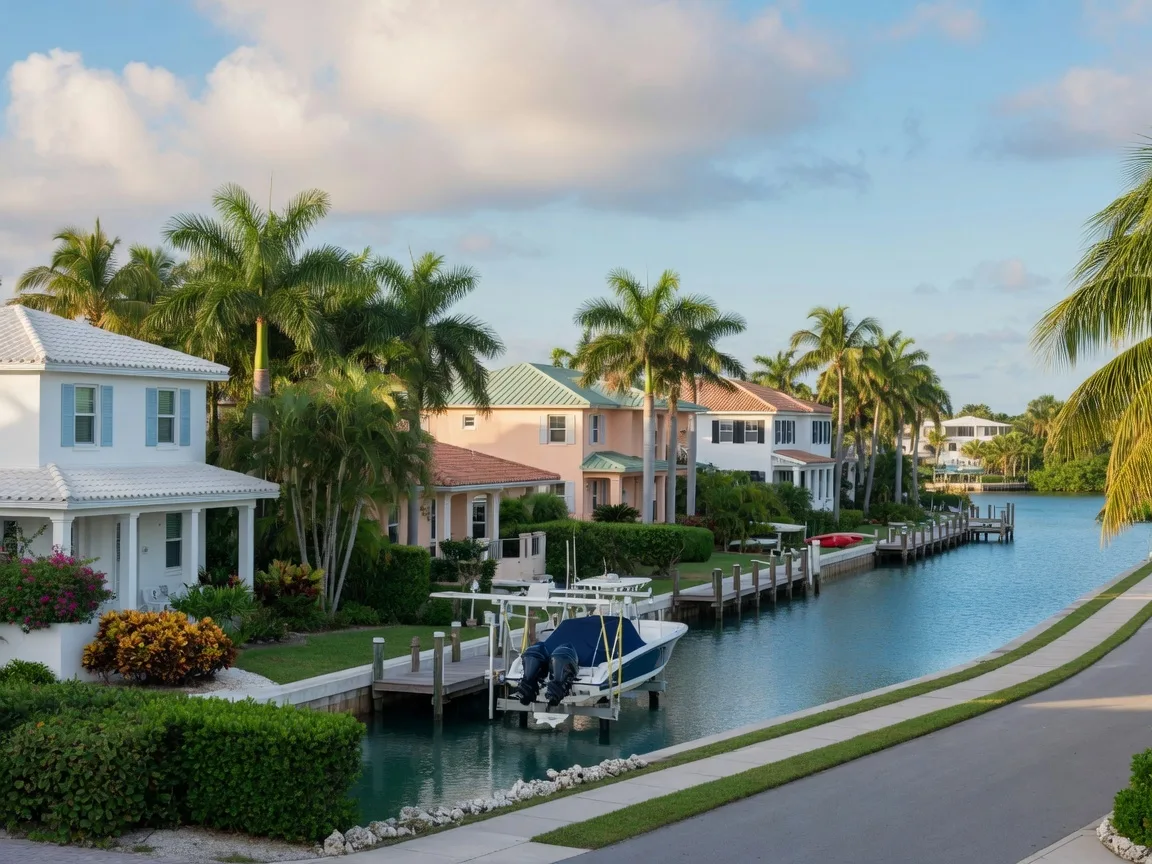
Flood zones and flood insurance are among the first questions buyers ask when considering a home in Naples, Bonita Springs, Fort Myers, or anywhere along the Paradise Coast. And it is the right question to ask. Southwest Florida's proximity to the Gulf of Mexico, its intricate canal systems, and its low coastal elevation mean that flood risk varies significantly from one property to the next — and so does the cost to insure it.
This guide explains how FEMA flood zones work, how they affect properties in our area, what you can expect to pay for flood insurance, and the questions you should ask before making an offer.
How Do FEMA Flood Zones Work in Southwest Florida?
FEMA's Flood Insurance Rate Maps divide communities into zones that indicate the level of flood risk. Lenders use these designations to determine whether flood insurance is required as a condition of a mortgage. The zones most relevant to Southwest Florida buyers are:
- Zone X (moderate-to-low risk). Properties in Zone X have a less than 1 percent annual chance of flooding. Flood insurance is not federally required for these homes, though it is still available and often recommended. Many inland and elevated communities in Southwest Florida fall within Zone X.
- Zone AE (high risk, 100-year floodplain). Zone AE properties have a 1 percent or greater annual flood risk — the 100-year floodplain. Lenders require flood insurance for homes in this zone. These properties sit within areas where floodwaters can accumulate during heavy storms or storm surge events. Much of the developed coastline and canal-front neighborhoods are designated AE.
- Zone VE (coastal high hazard). Zone VE is reserved for properties along open coastlines and areas subject to high-velocity wave action. These are the highest-risk zones. Homes in VE typically must be elevated on pilings or columns, and flood insurance is required. Direct Gulf-front properties and some barrier-island communities carry VE designations.
Flood zone designations are not static. FEMA periodically updates its maps, which can move a property into or out of a higher-risk zone. A home that was in Zone X a decade ago may now sit in Zone AE after a map revision. Buyers should always verify the current flood zone for a specific property rather than relying on general neighborhood assumptions.
Why Flood Zone Matters in Naples, Bonita Springs, Fort Myers, and Estero
The flood zone for any given property in Southwest Florida depends on several interconnected factors:
- Proximity to the coast. Homes closer to the Gulf of Mexico are more exposed to storm surge and hurricane-driven wave action, which drives higher FEMA risk designations.
- Canal and waterfront adjacency. A home on a navigable canal in Naples or Bonita Springs may sit in Zone AE even if it is miles from the open Gulf — storm surge and heavy rainfall can push water inland through the canal system.
- Elevation. Southwest Florida's natural elevation is low. Even a few feet of difference in base flood elevation can shift a property from Zone AE to Zone X — and meaningfully affect insurance premiums.
- Drainage and flood control infrastructure. Some communities have retention ponds, drainage systems, and flood mitigation that reduce localized risk. Others, particularly older neighborhoods, may not.
Buyers often assume every waterfront property carries the same risk. That is not accurate. A home on a deepwater canal with direct Gulf access may be in Zone AE, while a home on a freshwater lake a quarter-mile inland may be in Zone X — and the insurance cost difference can be substantial.
How Much Does Flood Insurance Cost, and What Affects the Premium?
Flood insurance premiums in Southwest Florida vary widely based on several factors. Under FEMA's National Flood Insurance Program, the cost is no longer based primarily on the zone — it is calculated using Risk Rating 2.0, which takes a more individualized approach. The key variables include:
- Flood zone. Zone VE commands the highest premiums, followed by AE. Zone X policies are significantly more affordable — often a few hundred dollars per year compared to several thousand.
- Elevation of the lowest floor relative to base flood elevation. This is the single most important factor. A home whose lowest floor is two feet above the base flood elevation will pay less than a home built at or below it. An elevation certificate — a survey document that confirms the home's elevation relative to the floodplain — is essential for accurate pricing.
- Building characteristics. Risk Rating 2.0 considers the replacement cost of the home, the foundation type, the number of floors, and whether the home has a basement or enclosure below the elevated floor.
- Distance to water. Proximity to the coast, a canal, a bay, or other water bodies is factored into the premium calculation.
- Deductible choice. Higher deductibles lower the annual premium. Many property owners choose a $5,000 or $10,000 deductible to keep costs manageable while maintaining coverage for a major loss.
As a general rule of thumb, a home in Zone AE with a proper elevation certificate and an elevated first floor may see annual premiums in the range of $1,500 to $4,000 through NFIP. A home in Zone VE — or a Zone AE home built at or below base flood elevation — could pay $6,000 to $12,000 or more. Zone X policies, by contrast, often cost between $400 and $900 per year.
These are estimates, not quotes. Every property is different, and the only way to know the actual premium is to commission an elevation certificate and request a specific NFIP or private-market quote.
Can the Buyer Assume the Seller's Lower NFIP Policy?
This is a common question — and the answer is no. NFIP flood insurance policies are not transferable from seller to buyer in the way a homeowner's warranty might be. When a property changes hands, the seller's policy terminates at closing. The buyer must purchase a new policy.
There is one important nuance regarding the NFIP's rating structure: if the seller has a subsidized pre-FIRM policy (a policy written before the property's flood map was established), and the buyer takes over the same NFIP policy number, the buyer may qualify for a lower "newly mapped" or "grandfather" rate for a transitional period. However, this scenario is becoming less common under Risk Rating 2.0, which has largely eliminated the older rating methodology. The safest approach is to assume you will need a new policy and to price it before making an offer.
Is Private Flood Insurance a Better Option?
Private flood insurance — policies issued by private carriers rather than through the NFIP — is increasingly available in Florida. For some properties, private insurance offers lower premiums, higher coverage limits, or better terms than the NFIP. For others, the NFIP may be the more reliable option.
Considerations when comparing the two:
- Cost. Private carriers may quote lower premiums for low-to-moderate-risk properties, particularly those with good elevation certificates. For high-risk properties (Zone VE, low-lying Zone AE), NFIP may still be the more competitive option.
- Coverage. NFIP caps building coverage at $250,000 and contents at $100,000 for residential properties. Private carriers often offer higher limits, which matters for luxury homes whose replacement cost exceeds the NFIP cap.
- Claims and solvency. NFIP is backed by the federal government. Private carriers are regulated at the state level. Before choosing a private policy, verify the carrier's financial strength and Florida-licensed status.
- Lender acceptance. Most lenders will accept a private flood insurance policy, but it is wise to confirm with your lender before committing.
Many property owners in Southwest Florida carry both: a private excess flood policy layered on top of an NFIP base policy. Your insurance agent can help determine the right structure for your situation.
How Does FEMA's Risk Rating 2.0 Affect Premiums?
Risk Rating 2.0, implemented by FEMA beginning in 2021, represents the most significant overhaul of NFIP pricing in decades. Previously, premiums were largely determined by flood zone and a simplified building classification. The new system considers dozens of rating variables, including distance to water, flood frequency, type of flood (storm surge, heavy rain, riverine), replacement cost, and the specific elevation of the structure relative to flood levels.
The practical effect in Southwest Florida has been mixed. Some lower-risk properties saw modest premium decreases. Others — particularly higher-value coastal homes that were previously receiving implicit subsidies — saw significant increases. A luxury home on the water that paid $4,500 for NFIP coverage under the old system may now see a premium of $8,000 to $12,000 or more, phased in over several years.
The NFIP caps annual premium increases at 18 percent per year per policy under current rules. That means a substantial increase is spread out rather than hitting all at once — but over several years, the premium can rise considerably.
For buyers, the key takeaway is this: do not assume the seller's current premium reflects what you will pay. Under Risk Rating 2.0, a new policy written for a new owner can be rated differently from an existing policy that is still being phased into the new rates. Always request a quote for the specific property as a buyer — not the seller's current premium — when evaluating your carrying costs.
What Should Buyers Ask Before Making an Offer?
When you are evaluating a property in Southwest Florida, here are the flood-related questions to have answered before you write an offer:
- What is the current FEMA flood zone designation? Verify on FEMA's Flood Map Service Center or through the property disclosure. Do not rely on a verbal statement from the seller or their agent.
- Does the home have an elevation certificate? If it does, the seller or current owner should provide it. This document is critical for accurate insurance pricing. If it does not, you may want to budget for having one prepared after closing.
- What is the elevation of the lowest floor relative to base flood elevation? This number, found on the elevation certificate, is the single best predictor of your flood insurance cost.
- Is flood insurance currently required by the lender, and what does it cost for a new buyer? Have your insurance agent run a quote for the property based on current NFIP Risk Rating 2.0 pricing.
- Has the property ever filed a flood claim? This information appears in CLUE reports and must be disclosed by the seller under Florida law. A history of claims may affect both insurability and premium.
- Has the property been damaged by flooding or storm surge in the past? Florida sellers must disclose known material defects under the Johnson v. Davis standard. If there is a history of flooding, it should appear in the seller's disclosure.
- Is private flood insurance available, and is it competitive with NFIP pricing for this property? Ask your agent to quote both.
- Is the property located in a community that participates in the NFIP's Community Rating System? Some Southwest Florida communities participate in CRS, which can earn policyholders a discount on NFIP premiums. Naples, for example, participates in CRS and residents receive a discount as a result.
Flood Risk Is a Financial Question — Not an Emotional One
Flood zones and insurance costs are not reasons to avoid coastal living. They are facts to understand, plan for, and include in your financial analysis. A home on the water in a desirable Southwest Florida community can still be a sound investment when you go in knowing the full picture — elevation, insurance cost, flood history, and the long-term trajectory of premiums under Risk Rating 2.0.
The best time to learn this information is before you make an offer — not after you are under contract and facing unexpected carrying costs. A knowledgeable agent will help you ask these questions, connect you with a qualified insurance agent who knows Southwest Florida flood ratings, and make sure your purchase decision is grounded in facts, not surprises.
How Larissa Helps Buyers Navigate Flood Zones
Every buyer I work with in Southwest Florida gets a clear picture of flood zone designations, insurance cost expectations, and what to ask before making an offer. I do not sugarcoat risk — I provide the data so you can make an informed decision with your eyes open. Whether you are looking at a high-elevation home in Zone X that costs under $800 a year to insure, or a waterfront property in Zone AE that requires a higher premium, I will help you understand what it means for your monthly carrying costs and your long-term ownership experience.
If you are considering a home in Naples, Bonita Springs, Estero, Fort Myers, or anywhere in Southwest Florida, I can help you evaluate the flood risk, connect you with an insurance professional, and make sure you go into the transaction with complete information. That is the kind of guidance my clients value most — and it is how I help protect your equity from day one.
Buying in Southwest Florida?
Larissa will help you understand the flood zone and insurance costs before you make an offer. Call or email today.