Buyer Guidance
What Are the Local Rental and Lease Restrictions in Southwest Florida?

By Larissa Locke
Expert Real Estate Advisor · Integrity 🌴 1st 🌴 Group · eXp Realty · FL License #3407292
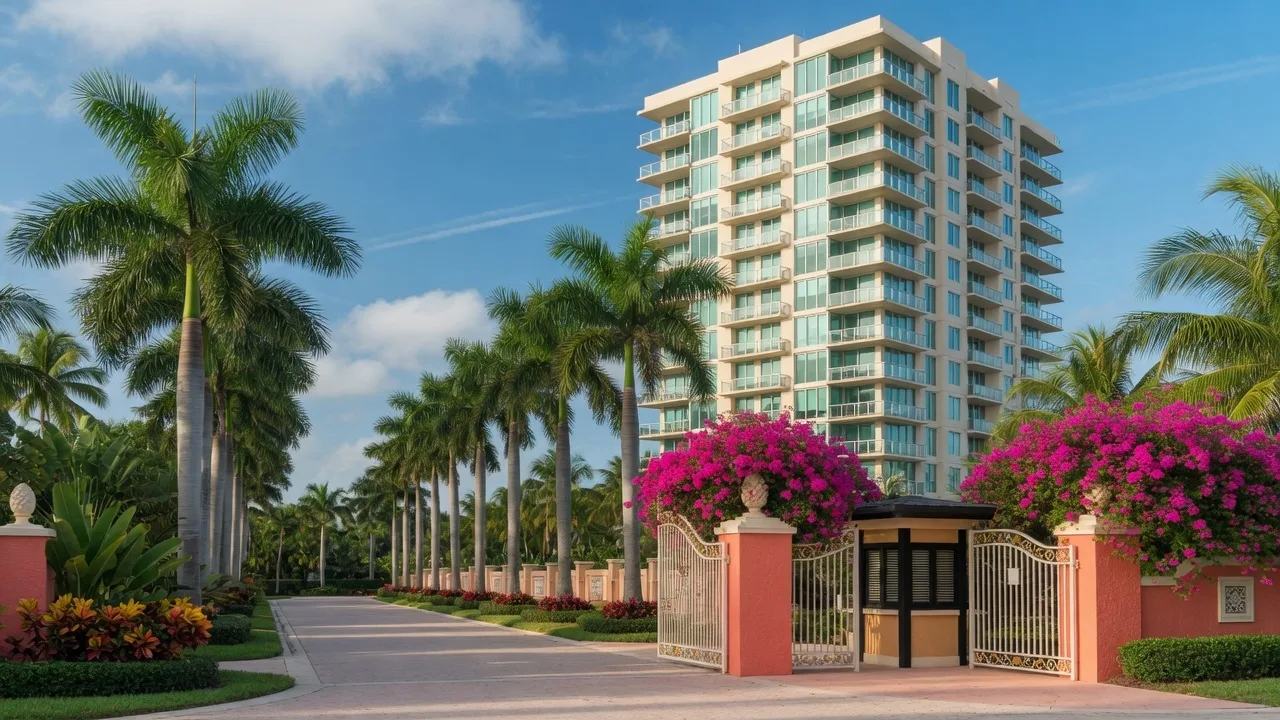
If you are buying a home in Southwest Florida as a second home, investment property, or seasonal residence — or even as a primary residence you may want to rent out occasionally — the first question you need answered is: Can I rent this property, or are there restrictions?
The answer is almost never a simple yes or no. Rental rules in Southwest Florida vary widely — not just from city to city, but from one neighborhood or condominium building to the next. What is allowed in one community may be prohibited three blocks away. Understanding the rules before you buy is essential to avoiding costly surprises after closing.
Why rental restrictions matter in Southwest Florida
Southwest Florida attracts a high number of second-home buyers, seasonal residents, and investors. Communities here were built around both year-round living and seasonal use, and the rules governing rentals reflect that dual identity. Many buyers assume they can rent out their property when they are not using it — either to generate income or to offset carrying costs. But in many communities, that assumption is wrong.
Rental restrictions are set at three levels: the city or county, the homeowners or condominium association, and — for short-term rentals — state law. Each layer interacts with the others, and an experienced local advisor will help you understand how they apply to the specific property you are considering.
HOA and condominium rental restrictions: the fine print that matters
The most common source of rental restrictions is the community's governing documents — the Declaration of Covenants, Conditions, and Restrictions (CC&Rs) for an HOA, or the condominium declaration and bylaws for a condo association. These are legally binding documents recorded with the county, and they run with the land: when you buy the property, you agree to them.
Here is what you will find in many Southwest Florida communities:
- Minimum lease terms. Many communities require a minimum rental period of 30 days, 90 days, six months, or even 12 months. This effectively prohibits the short-term, vacation-style rentals that platforms like Airbnb and VRBO facilitate. A 30-day minimum is common in coastal communities that want to preserve a residential feel. A 12-month minimum is typical in luxury country-club neighborhoods that are designed for full-time residents.
- Lease frequency limits. Some associations limit the number of times you may lease your property per year — for example, no more than two leases per year, or no more than one lease per 12-month period. Others tie the limit to the minimum term: you may lease once per year for a minimum of six months.
- Complete rental bans. A growing number of condominium associations and homeowner communities prohibit rentals entirely. These are most common in 55+ active-adult communities and in luxury buildings where owners prioritize owner-occupancy over rental income. Some associations allow rentals only by owners who have lived in the community for a certain period — typically one to two years.
- Rental caps and waiting lists. Many condominium buildings cap the percentage of units that may be rented at any given time — often 20% to 30%. Once the cap is reached, owners who wish to rent must join a waiting list. In buildings with high owner-occupancy and low turnover, the wait can be several years.
- Board approval and fees. Some associations require board approval before a lease may be signed. Others charge an application fee, a move-in fee, or an annual rental registration fee. These fees range from a few hundred dollars to over a thousand dollars per lease.
The bottom line: you cannot assume anything about rental permission based on the property type, price point, or location. The only way to know is to read the governing documents — and to have someone experienced interpret them for you.
Short-term rentals (Airbnb, VRBO): state preemption and local rules
Florida law generally preempts local governments from banning vacation rentals outright. In 2011 and 2014, the Florida legislature passed laws that restrict cities and counties from prohibiting short-term rentals in residential areas — meaning a city cannot simply pass an ordinance that says "no vacation rentals in single-family neighborhoods."
However, this state preemption has limits:
- Cities and counties may still impose reasonable regulations — including business licensing requirements, occupancy limits, parking requirements, noise restrictions, and safety inspections — as long as they do not effectively prohibit short-term rentals.
- Individual homeowners associations and condominium associations are not subject to the state preemption. An HOA or condo board may prohibit short-term rentals entirely, even if the city allows them. The CC&Rs control what happens inside the community, regardless of what the city permits at the municipal level.
- Some Florida cities — including Naples — have pursued litigation and charter amendments to regain local control over vacation rentals. The legal landscape is evolving, and local rules can change from one year to the next.
If you are buying with the intent to operate a short-term rental, you must verify both the city/county regulations and the community's governing documents. Neither one alone tells you the full picture.
City and county rules across Southwest Florida
Each municipality in Southwest Florida approaches short-term rental regulation differently. Here is a broad overview — though local ordinances change frequently, and you should verify current rules with the city or county directly or through your agent:
Naples
The City of Naples regulates vacation rentals under its land development code. Short-term rentals (leases of fewer than 30 days) in residential districts generally must comply with occupancy limits, parking requirements, and noise ordinances. The city requires a business tax receipt for vacation rental properties, and properties must maintain a local contact person available 24/7 to respond to complaints. Naples has been active in seeking greater local authority over vacation rentals, so the regulatory environment here is more dynamic than in some neighboring communities.
Bonita Springs
Bonita Springs has adopted vacation rental regulations that include a licensing requirement, occupancy limits (typically no more than two people per bedroom plus two additional occupants), off-street parking requirements, and a requirement that the owner or a local designee be available to respond to issues within 60 minutes. The city's regulations apply to rentals of fewer than 30 days in residential zoning districts.
Fort Myers
The City of Fort Myers requires vacation rental properties to obtain a business license and comply with occupancy, parking, and noise standards. Short-term rentals are defined as leases of fewer than 30 days. The city also requires properties to post a local contact's name and phone number. Enforcement is complaint-driven, and violations can result in fines or license revocation.
Cape Coral
Cape Coral allows short-term vacation rentals in most residential zoning districts but requires a vacation rental dwelling license. The city imposes occupancy limits, parking requirements (typically two off-street spaces), and a requirement that the owner or a local manager be available to respond within one hour. Cape Coral has been particularly active in enforcing its regulations, and properties that generate repeated complaints risk losing their license.
Estero
The Village of Estero regulates short-term rentals (fewer than 30 days) through its land development code. Vacation rental properties must register with the village, comply with occupancy and parking standards, and maintain a local contact. Estero's regulations apply to both single-family homes and multi-family units in residential districts.
These summaries are a starting point, not a substitute for current legal review. City and county ordinances change, and a property that is compliant today may face different requirements next year. An experienced local advisor will help you stay current.
Condominium buildings: a special case
Condominium buildings — especially high-rise towers on the Gulf, luxury mid-rises, and resort-style communities — often have the most restrictive rental policies in Southwest Florida. Here is what you may encounter:
- Complete rental bans. A number of luxury condominium buildings in Naples and Bonita Springs prohibit rentals entirely. Owners may occupy their units or leave them vacant, but they may not lease them. These restrictions are set by the condominium association and are typically designed to maintain a stable, owner-occupied community.
- Rental waiting lists. Many buildings that permit rentals cap the number of units that may be leased (often at 20% to 30% of total units). Once the cap is reached, owners who want to rent must wait until another owner stops leasing. In buildings with low turnover, the wait can be years.
- Minimum lease terms of six or twelve months. Even in buildings that permit rentals, the minimum term is often six or twelve months. This accommodates seasonal residents (snowbirds who rent out their unit while they are away for the summer) but effectively prohibits short-term vacation rentals.
- Age restrictions. Many condominium buildings in Southwest Florida are designated as 55+ or age-restricted communities. These restrictions apply to both owners and renters, meaning you cannot rent to a family with children if the building is age-qualified.
- Guest and pet restrictions. Even when rentals are permitted, the association may limit the number of guests, prohibit pets, or require renters to use a specific check-in process — all of which affect the desirability of the rental to potential tenants.
If you are considering a condominium purchase with any intention to rent — even occasionally — you must obtain and review the condo documents before you make an offer. The listing agent or seller is required to provide them during the due diligence period, but your offer should be written with the understanding that the rental terms may not match your expectations.
How Larissa helps buyers verify rental rules before they commit
Rental restrictions are one of the most common sources of post-closing regret in Southwest Florida. A buyer purchases a condo or home assuming they can rent it out — and discovers after closing that the HOA prohibits rentals, caps them at 20% of units, or requires a minimum lease term that does not fit their plans.
Larissa makes rental-rule verification a standard part of the due diligence process for every buyer who intends to rent — whether for a few weeks a year, a seasonal lease, or a long-term investment. Here is how:
- Before you make an offer, she helps you identify communities and buildings whose rental rules align with your goals. If short-term rentals are essential to your plan, she steers you toward communities that permit them. If owner-occupancy is a priority, she helps you evaluate whether a rental-heavy building fits your preferences.
- During the due diligence period, she ensures you receive and review the HOA or condominium declaration, bylaws, and any rules and regulations that govern rentals. She reads these documents with an eye for rental restrictions — and flags anything that conflicts with your intended use.
- If the documents are unclear, she helps you ask the right follow-up questions of the association, the listing agent, or the property manager. Ambiguity in a governing document is not a green light — it is a risk. She helps you get clarity before you commit.
- For investment and second-home buyers, she connects you with local property managers and legal professionals who can provide additional guidance on city licensing requirements, tax implications, and operational considerations.
The goal is simple: no surprises after closing. You should know exactly what you can and cannot do with your property — before you own it.
Buying an investment property or second home?
Larissa will help you understand the rental rules before you buy — community restrictions, city ordinances, and everything in between. No surprises after closing.
Larissa Locke · Expert Real Estate Advisor · Integrity 🌴 1st 🌴 Group at eXp Realty · FL License #3407292 · Serving Naples, Bonita Springs, Fort Myers, Estero, and Southwest Florida