Selling Strategy
Should I Sell My Southwest Florida Home As-Is or Make Upgrades First?

By Larissa Locke
Expert Real Estate Advisor · Integrity 🌴 1st 🌴 Group · eXp Realty · FL License #3407292
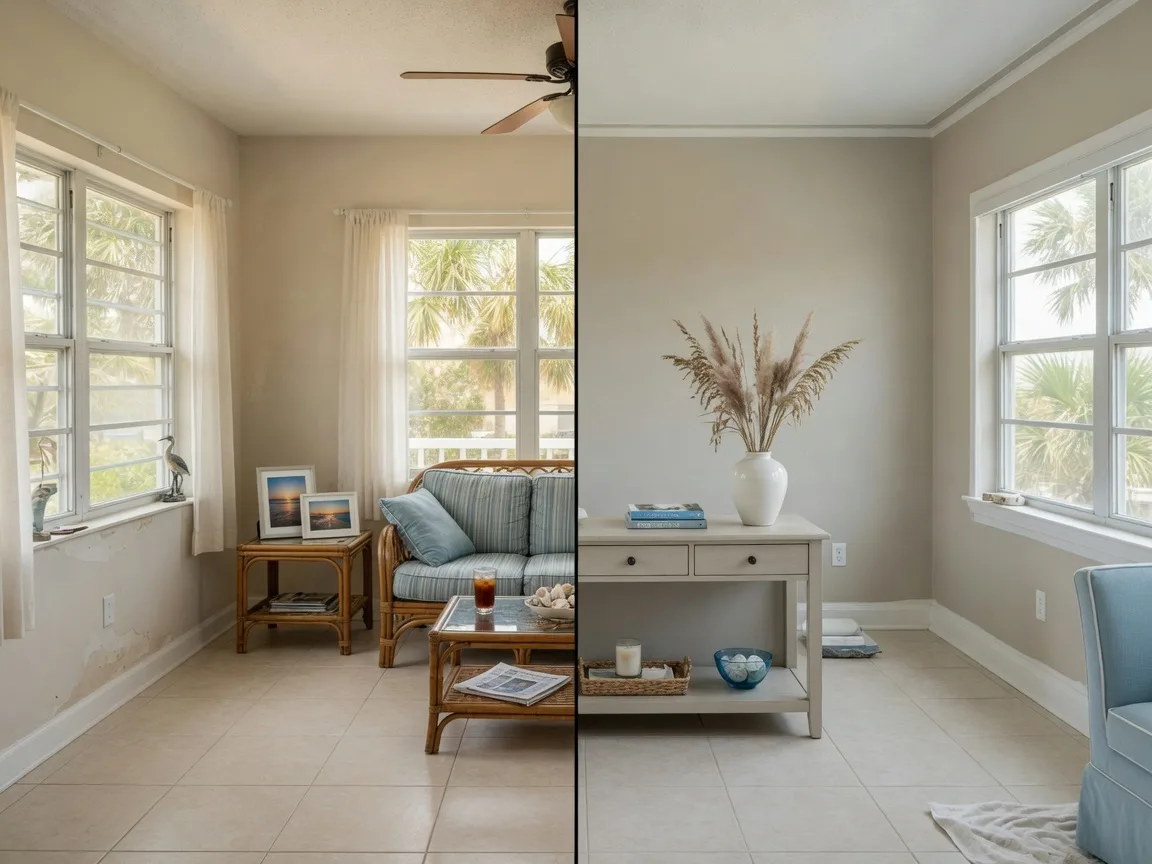
One of the most common questions sellers ask is whether they should spend time and money on upgrades before listing, or simply sell the home as-is and let the buyer handle the work. It is a financial decision, not an emotional one — and the right answer depends entirely on your home, your market position, and your timeline.
In Southwest Florida, where buyers are discerning and property conditions are scrutinized closely — especially around roofs, air conditioning, and pool enclosures — making the wrong choice can cost you tens of thousands. Here is how to think through whether to fix or sell as-is, and how Larissa helps clients arrive at the answer that protects their net equity.
What Selling As-Is Actually Means
Selling a home as-is does not mean you are hiding issues or avoiding disclosure. It means you are choosing not to make repairs or improvements before the sale, and the listing price reflects that condition. In Florida, the standard As-Is contract still gives buyers the right to conduct inspections and negotiate — but the expectation is set upfront that the property is offered in its current state.
For the right seller, in the right situation, selling as-is is a smart decision. It saves time, avoids the hassle of contractor coordination, and eliminates the risk of spending money on improvements that buyers will tear out anyway.
When Selling As-Is Makes Sense
Here are the scenarios where as-is is often the right call:
- Deferred maintenance has accumulated. If your home has multiple aging systems — roof, HVAC, windows — the cost to bring everything up to current standards may exceed what you would recoup in a higher sale price.
- Major structural issues are present. Foundation concerns, significant water damage, or other large-scale problems are expensive to remediate and rarely produce a dollar-for-dollar return.
- You have inherited the property or are managing an estate. Estate sales often involve homes that have not been updated in years, and the beneficiaries may not want to invest capital into a property they do not live in.
- Your timeline is tight. A job relocation, family situation, or financial deadline may not allow for weeks of renovation work.
- The upgrades simply will not pay. If the cost of improvements exceeds the expected price increase, selling as-is and letting the buyer choose their own finishes is the financially sound move.
When Upgrades Are Worth the Investment
Not every upgrade makes financial sense, but low-cost, high-visibility improvements can absolutely increase your sale price — and they do not have to be extensive. The best pre-listing investments are the ones that make a home feel cared for, clean, and move-in ready.
- Fresh paint. A neutral, modern color on walls and trim can transform how a home shows. This is one of the highest-return investments you can make.
- Clean, simple landscaping. Curb appeal matters in Southwest Florida. Fresh mulch, trimmed palms, and a pressure-washed driveway signal that the home has been maintained.
- Updated fixtures. Replacing outdated light fixtures, cabinet hardware, and faucets with modern options is inexpensive and makes a disproportionately large impression.
- Deep cleaning and decluttering. A spotless home reads as well-maintained. This is not an upgrade — it is a non-negotiable. Professional deep cleaning before listing photographs is money well spent.
- Minor cosmetic fixes. Repairing holes in drywall, regrouting tile, replacing broken switch plates, and touching up baseboards are low-cost details that buyers notice.
What Not to Over-Invest In
Many sellers assume that major renovations will pay off in a higher sale price, but the data tells a different story. Full kitchen remodels, bathroom overhauls, pool renovations, and extensive flooring projects rarely return their full cost at closing. Buyers in Southwest Florida's luxury market often prefer to customize their own finishes, which means a brand-new kitchen you design may not match their taste — and you will not recoup the investment.
The exception is when a kitchen or bathroom is genuinely non-functional or severely dated. In those cases, a targeted, cost-conscious refresh — new countertops, refaced cabinets, modern hardware — can move the needle without a full renovation budget.
The Big Three in Southwest Florida
In this market, buyers and appraisers focus on three things above all else: roof condition, AC age, and pool and screen enclosure condition. If those are in good shape, you are already well-positioned. If any of the three are near the end of their useful life, factor that into your pricing strategy — and be transparent about it.
How Larissa Evaluates Your Home
Before any decision is made, Larissa conducts a thorough walkthrough of your property to identify what is working in your favor and what could become a negotiation point. She does not recommend upgrades for the sake of it. Instead, she gives you a clear, prioritized list:
- What to fix — changes that will pay for themselves and then some.
- What to leave — items that will not move the needle and are best priced into the home as-is.
- What to price around — conditions that are visible but not worth addressing, where the price simply reflects the home's true condition.
Her goal is to protect your net — the money you walk away with after all costs are accounted for — not to convince you to spend more than is necessary.
Key Takeaway
The right approach depends on your home, your timeline, and your financial goals. Not every home needs upgrades to sell well, and not every home should be sold as-is. An honest evaluation from an experienced advisor — one who understands Southwest Florida's market and what buyers actually expect — makes the difference between leaving money on the table and protecting your equity.
If you are trying to decide whether to fix or sell as-is, Larissa offers a straightforward assessment with no pressure and no agenda. She will tell you exactly what is worth doing and what is not, so you can make the decision that serves your bottom line.
Successfully,
Larissa Locke
Not Sure Whether to Fix or Sell As-Is?
Larissa will give you an honest assessment — what to fix, what to leave, and what to price around. No pressure, no agenda.