Selling Strategy
What Do I Need to Repair or Update Before Listing My Southwest Florida Home?

By Larissa Locke
Expert Real Estate Advisor · Integrity 🌴 1st 🌴 Group · eXp Realty · FL License #3407292
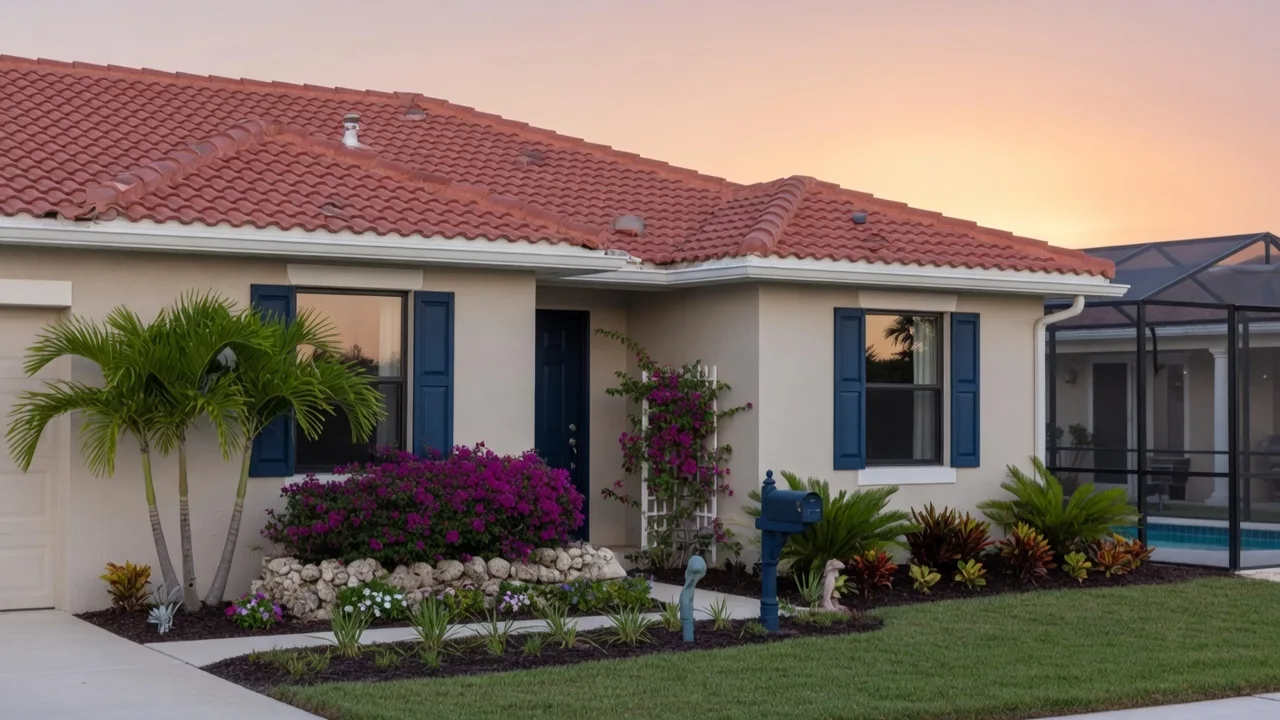
Every seller who calls me asks a version of the same question: What do I need to fix before we list? It is a fair question — and an important one. Make the wrong improvements and you spend money that never comes back. Skip the right repairs and you hand buyers a reason to negotiate down. In Southwest Florida, where humidity, hurricanes, and insurance requirements add layers that other markets do not face, the answer is even more specific.
The goal is not to make your home perfect. The goal is to present it as well-maintained, move-in ready, and free of issues that will surface in an inspection — while avoiding over-investment in projects that will not return their cost. Here is how to distinguish between the two.
Must-Fix Items vs. Nice-to-Have Upgrades
Before you spend a dollar, understand the distinction between what a buyer and their inspector will flag and what is simply a matter of taste:
- Must-fix: Functional issues, safety concerns, code violations, and items that will appear on an inspection report. Leaky plumbing, non-functioning outlets, cracked windows, broken appliances, roofing issues, HVAC systems that do not cool properly, and any evidence of water intrusion or mold.
- Nice-to-have: Cosmetic preferences that a buyer may change anyway. Countertop materials that are functional but dated. Carpet that is clean but not the latest color. Backsplash tile that is fine but not current. Appliances that work but are not stainless steel.
Spend your budget on the must-fix category first. Every dollar you put into a cosmetic upgrade that a buyer will simply replace is a dollar that will not be reflected in your sale price.
Humidity-Related Issues: Mold, Mildew, and AC Maintenance
Southwest Florida's subtropical climate means humidity is a constant factor. Buyers here know this — and they look for signs that a home has been properly maintained against it.
- Mold and mildew. Visible mold in bathrooms, around windows, in closets, or in the attic is an immediate red flag. Address the source first — often a leak, poor ventilation, or inadequate insulation — then remediate the affected areas. A buyer's inspector will test for moisture, and a mold finding can stall or kill a transaction.
- AC system. An air conditioner in Southwest Florida works year-round. If your unit is more than 10 years old, have it serviced and obtain a maintenance record. Buyers will ask about the age and condition of the HVAC. A system that struggles to cool or has a history of breakdowns is one of the most common renegotiation points after inspection.
- Ventilation. Bathroom exhaust fans should vent outside, not into the attic. Kitchens should have proper range ventilation. Poor ventilation accelerates humidity damage and gives an inspector cause for concern.
- Attic and crawl space. Have these inspected. Moisture buildup in the attic — from inadequate ventilation or a slow roof leak — can cause rot and mold that a buyer will discover during their due diligence.
Roof Condition and Insurance Requirements
In Florida, the roof is not just a maintenance item — it is an insurance issue. Many carriers now require a roof that is less than 15 years old, or they will offer reduced coverage or higher premiums. Some may refuse to write a policy altogether on a roof approaching 20 years.
- Age and documentation. If your roof is 10 years or older, a buyer's lender and insurance company will want to know its age and condition. Having a recent inspection report and service history ready puts you in control of the conversation.
- Repairs vs. replacement. Minor missing shingles or a small patch can be repaired. But if the roof has widespread wear, previous repairs, or visible signs of aging, replacement may be the smarter move — because a buyer's insurance company may demand it anyway, and you will negotiate from a weaker position mid-contract.
- Tile roofs. Common in Southwest Florida. Cracked or broken tiles, deteriorated underlayment, and ridge cap issues should be addressed. A roof that leaks during a summer thunderstorm — and many Southwest Florida homes see heavy rain before closing — creates an urgent, expensive problem at the worst possible time.
Pool and Equipment Condition
In Naples, Bonita Springs, and across the Paradise Coast, a pool is often a central feature of the home. But a poorly maintained pool or aging equipment creates a significant inspection risk:
- Pool equipment. The pump, filter, heater, and salt system should all be in working order. A buyer's pool inspection will test every component. If the heater does not work or the pump is on its last cycle, expect a repair request.
- Surface and tile. Cracks in the plaster, loose tile, or deteriorating coping are visible and costly. Addressing these before listing avoids a credit negotiation later.
- Safety features. Florida law requires pool safety barriers — door alarms, pool covers, or fence enclosures — on homes with children. Even if you do not have children, a buyer may request compliance. Having a compliant barrier in place removes a potential sticking point.
Hurricane Shutters and Impact Windows
Impact-rated windows and doors are a significant selling point in Southwest Florida. If you have them, document them. If you do not, understand how they affect the transaction:
- Impact windows and sliding doors. These reduce insurance costs and provide peace of mind. If your home has impact glass, have the manufacturer's documentation or inspection report ready. A broken seal or cracked pane should be replaced before listing — buyers will notice.
- Hurricane shutters. Accordion shutters, roll-down shutters, or panel systems should be in working order with all hardware present. Missing panels or rusted tracks signal neglect. Make sure they operate smoothly and are included in marketing materials as a feature.
- Garage door bracing. A garage door without proper hurricane bracing may not meet current code. This is a relatively inexpensive fix that can come up in inspection and is worth addressing proactively.
Cost-Effective Updates That Actually Move the Needle
Not every dollar needs to go toward structural repairs. Several modest investments consistently return value by improving how a home shows — in photographs and in person:
- Fresh paint in neutral tones. This is the single highest-return improvement you can make. A coat of paint in a soft, warm neutral — think greige, warm white, or a light beige — brightens every room, photographs well, and signals that the home has been cared for. Avoid bold accent walls and dark colors that narrow the buyer pool.
- Clean, intentional landscaping. Curb appeal is the first impression your home makes. Trimmed hedges, fresh mulch, a clean driveway, and pressure-washed hardscape cost relatively little and pay for themselves in how a buyer feels before they even walk through the front door.
- Updated light fixtures. Outdated brass or builder-grade fixtures date a home faster than almost anything else. A few well-chosen replacements — in finishes like brushed nickel or matte black — modernize the home at a reasonable cost.
- Deep cleaning. Carpets, tile grout, windows, and kitchen appliances. A professionally cleaned home tells a buyer that the property has been maintained. It is a small expense with an outsized impact on perception.
- Hardware updates. Cabinet knobs, drawer pulls, and door handles are inexpensive to replace and immediately modernize the kitchen and bathrooms.
What NOT to Over-Invest In
Just as important as knowing what to fix is knowing what to leave alone. These projects rarely return their cost in a sale:
- Full kitchen remodel. Unless the kitchen is genuinely unusable, a complete renovation will not return dollar for dollar. Buyers have their own tastes and may want to design the space themselves. Focus on cleaning, painting cabinets if they are dated, and updating hardware — not replacing cabinetry and appliances.
- Expensive bathroom renovation. Same principle. A bathroom that is clean, functional, and in neutral condition is sufficient. Full tile replacement, new vanities, and high-end fixtures are unlikely to be reflected in the sale price.
- Adding square footage. An addition or major structural change undertaken solely for a sale rarely pencils out. Let the next owner decide if they need extra space.
- Premium finishes. Quartzite countertops, designer tile, and high-end appliances appeal to a narrow segment of buyers. The next owner may have different taste. Functional and clean is the target — not luxurious.
- Landscape overhauls. Mature landscaping adds value. But installing an expensive irrigation system, hardscape, or outdoor kitchen for the sole purpose of selling is unlikely to generate a return.
The rule is simple: if it is broken or looks neglected, fix it. If it works but is not your personal taste, leave it for the buyer to customize.
How Larissa Walks Through Your Home and Tells You Exactly What to Fix
This is where experience makes the difference. I have walked through hundreds of homes in Naples, Bonita Springs, Estero, Fort Myers, and the communities across Southwest Florida. I know what buyers in each price range expect, what inspectors flag in each type of property, and what insurance companies require in each coastal zone.
When I do a pre-listing walkthrough with a seller, I bring a notepad and a candid perspective. I will point out:
- The three things you absolutely need to fix before we go to market.
- The two things you do not need to touch — even if you think they bother you.
- The one or two cost-effective updates that will make the largest difference in how the home shows.
- What buyers in your price range and neighborhood will expect — and what they will overlook.
I do not recommend unnecessary repairs. My approach is rooted in the same patient-first, strategic thinking that defined my 30 years as a healthcare professional before I transitioned into real estate in 2018. I want you to spend money only where it will protect your equity or increase your net proceeds. No guesswork. No wasted spending. Just a clear, honest plan.
A Note on Timing and Priorities
Every home is different. A waterfront property in Naples has a different set of considerations than a golf community home in Bonita Springs or a newer construction in Estero. The age of the home, the homeowners association requirements, the insurance profile — all of it shapes what matters most. That is why a generic checklist is less useful than a personalized walkthrough with someone who knows the local market, the buyer expectations, and the inspection patterns in your specific community.
If you are considering a sale and wondering what needs attention, I am happy to walk through your home with you. No pressure. No sales pitch. Just an honest assessment of where your money is best spent — and where it is not needed at all.
The homes that sell for top dollar in Southwest Florida are not the ones with the most expensive renovations. They are the ones that are well-maintained, thoughtfully presented, and priced correctly for the condition they are in. Getting the prep work right — knowing what to fix and what to leave — is the first step to a confident, profitable sale.
Not Sure What to Fix Before Listing?
Larissa will walk through your home and give you an honest assessment. No guesswork, no unnecessary spending — just clear guidance on what adds value and what to leave alone.